Weather affects almost every part of our daily lives. Whether you are planning a road trip, going to work, flying to another city, farming, hiking, or simply deciding whether to carry an umbrella, accurate weather information is extremely important. Traditional weather forecasts provide general predictions, but modern technology has introduced something much more powerful—Weather Radar, Live Radar applications.
A Weather Radar, Live Radar app allows users to monitor real-time weather conditions directly from their smartphones. Instead of relying only on daily forecasts, users can watch rain clouds, thunderstorms, snowfall, hurricanes, wind patterns, lightning strikes, temperature changes, and severe weather alerts as they happen. This gives people the ability to prepare for changing weather conditions before they become dangerous.
With climate changes causing more unpredictable weather events around the world, weather radar technology has become one of the most useful tools for both ordinary users and professionals. Farmers use it to protect crops, travelers use it to avoid storms, delivery drivers use it for route planning, and emergency services rely on it during natural disasters.
In this complete guide, you’ll learn everything about Weather Radar, Live Radar apps, including their features, benefits, technology, installation process, privacy, alternatives, and why millions of Android users rely on these applications every day.
What is Weather Radar, Live Radar?
Weather Radar, Live Radar is an Android application that provides real-time weather monitoring using advanced meteorological radar systems. Unlike ordinary weather forecast apps that only show temperature predictions, radar apps display actual weather movement happening around your current location.
The application gathers weather information from multiple trusted weather stations, satellites, Doppler radar systems, and forecasting models. This information is then displayed on an interactive map where users can see storms moving in real time.
Instead of simply reading:
“Rain expected in two hours”
you can actually watch the rain clouds approaching your city.
This makes weather forecasting much more accurate and easier to understand.
Why Weather Radar Apps Are So Popular
Millions of people now use live radar apps because weather changes rapidly.
Imagine you are:
- Traveling on a highway
- Riding a motorcycle
- Going fishing
- Flying a drone
- Hiking in mountains
- Managing construction work
- Running outdoor events
A sudden storm can completely change your plans.
Live radar helps users prepare before bad weather arrives.
Instead of being surprised by heavy rainfall or thunderstorms, you receive advance warnings.
How Weather Radar Works
Modern weather radar uses electromagnetic radio waves.
Here’s the complete process:
Step 1
A weather radar station sends powerful radio waves into the atmosphere.
Step 2
These radio waves hit:
- Rain droplets
- Snowflakes
- Ice crystals
- Hail
- Clouds
Step 3
The signals bounce back toward the radar station.
Step 4
Computers analyze the returned signals.
Step 5
The app displays colorful radar maps showing:
- Rain intensity
- Storm direction
- Wind movement
- Cloud coverage
- Lightning activity
All of this happens within seconds.
Main Features of Weather Radar, Live Radar
1. Live Weather Radar
This is the most important feature.
Users can watch:
- Rain moving
- Snowfall
- Thunderstorms
- Cyclones
- Tornado systems
- Cloud movement
The radar updates every few minutes.
2. Hourly Forecast
Instead of only showing today’s weather, the app predicts conditions hour by hour.
Information includes:
- Temperature
- Rain chance
- Wind speed
- Humidity
- UV Index
- Visibility
This helps users plan outdoor activities more effectively.
3. Seven-Day Forecast
Most radar apps include detailed weekly weather forecasts.
Users can check:
- Maximum temperature
- Minimum temperature
- Rain probability
- Wind conditions
- Sunrise
- Sunset
- Air pressure
4. Lightning Detection
Some premium radar systems monitor lightning strikes.
Users receive alerts whenever lightning appears near their location.
This feature is especially useful for:
- Farmers
- Golf players
- Construction workers
- Campers
- Hikers
5. Storm Tracking
Advanced radar applications automatically detect dangerous storms.
Users can follow:
- Storm direction
- Storm speed
- Arrival time
- Rain intensity
- Wind strength
6. Hurricane Monitoring
Users living near coastal areas can track:
- Hurricanes
- Tropical storms
- Cyclones
- Typhoons
Live maps show projected storm paths.
7. Air Quality Index
Many weather apps now include pollution monitoring.
Information includes:
- AQI
- PM2.5
- PM10
- Carbon monoxide
- Ozone
- Nitrogen dioxide
This helps people with asthma or allergies stay informed.
8. Wind Radar
The app displays live wind information.
Users can view:
- Wind direction
- Wind speed
- Wind gusts
This feature is popular among:
- Pilots
- Sailors
- Drone operators
- Fishermen
9. Snow Radar
During winter seasons, users can monitor:
- Snowfall
- Ice storms
- Freezing rain
- Road conditions
Perfect for travelers.
10. Temperature Maps
Interactive maps display temperatures across different regions.
Different colors indicate:
- Hot areas
- Cold areas
- Heat waves
- Cold fronts
Weather Layers Available
Most premium radar apps provide multiple weather layers.
Users can switch between:
- Rain Radar
- Cloud Cover
- Temperature
- Wind Speed
- Air Pressure
- Humidity
- Lightning
- Satellite Images
- Snow Depth
- UV Index
- Air Quality
- Visibility
- Ocean Waves
Each layer provides different weather information.
Benefits of Using Weather Radar
Accurate Weather Predictions
Traditional weather forecasts sometimes miss sudden weather changes.
Radar apps update continuously.
This makes forecasts much more reliable.
Better Travel Planning
Before starting a journey, users can check:
- Rain
- Fog
- Snow
- Strong winds
This improves road safety.
Farming Benefits
Farmers rely heavily on weather.
Radar helps them decide:
- Irrigation timing
- Fertilizer application
- Crop protection
- Harvest scheduling
Outdoor Activities
Weather radar helps people enjoy:
- Hiking
- Camping
- Cycling
- Running
- Fishing
- Boating
without unexpected weather problems.
Flight Safety
Pilots use radar to avoid:
- Thunderstorms
- Turbulence
- Heavy rain
- Strong crosswinds
Even passengers can monitor weather before flights.
Disaster Preparedness
Weather radar provides early warnings for:
- Floods
- Cyclones
- Tornadoes
- Hurricanes
- Heavy rainfall
- Heat waves
Early alerts save lives.
Daily Convenience
Even everyday activities become easier.
Examples:
- Drying clothes outside
- Washing vehicles
- School planning
- Office commuting
- Weekend picnics
Live radar helps avoid surprises.
Who Should Use Weather Radar?
This app is useful for almost everyone, especially:
- Students
- Families
- Farmers
- Truck Drivers
- Delivery Riders
- Pilots
- Tourists
- Campers
- Fishermen
- Hikers
- Travelers
- Construction Companies
- Event Organizers
- Emergency Responders
Each group benefits from real-time weather updates.
High CPC Keywords Naturally Included
This article naturally targets valuable keywords such as:
- Weather Radar App
- Live Weather Radar
- Real-Time Weather Forecast
- Weather Alerts
- Storm Tracker
- Rain Radar
- Live Weather Map
- Weather Forecast App
- Android Weather App
- Temperature Tracker
- Wind Radar
- Lightning Detector
- Weather Monitoring
- Hurricane Tracker
- Climate Forecast
- Air Quality Monitor
- Weather Updates
- Severe Weather Alerts
- GPS Weather App
- Live Satellite Weather
Installing a Weather Radar, Live Radar application is simple and only takes a few minutes. Most weather apps are available through the Google Play Store, ensuring users receive official updates and enhanced security.
Step 1: Open Google Play Store
Unlock your Android phone and launch the Google Play Store.
Step 2: Search for the App
Type “Weather Radar, Live Radar” in the search bar. Multiple weather applications will appear. Compare ratings, reviews, download numbers, and developer information before choosing one.
Step 3: Install
Tap the Install button and wait for the download to finish.
Step 4: Grant Permissions
After installation, the app may request permissions such as:
- Location Access
- Notifications
- Background Location (optional)
Granting location access allows the app to provide accurate forecasts for your current area.
Step 5: Complete Setup
Choose your preferred temperature unit (°C or °F), wind speed unit, and language. You can also add multiple cities to monitor weather in different locations.
Understanding Radar Colors
Weather radar maps use different colors to represent rainfall intensity.
Green
Light rain or drizzle.
Yellow
Moderate rainfall.
Orange
Heavy rain with stronger precipitation.
Red
Very heavy rain and possible thunderstorms.
Purple or Pink
Extremely severe weather, hail, or intense storms.
Understanding these colors helps users quickly assess weather conditions.
Live Satellite View
Many premium weather radar apps include satellite imagery.
Satellite maps display:
- Cloud formations
- Storm systems
- Fog
- Cyclones
- Dust storms
- Snow coverage
Unlike radar, satellites capture weather over oceans and remote areas where radar stations are unavailable.
Severe Weather Alerts
One of the most valuable features is automatic weather alerts.
The app can notify users about:
- Heavy rainfall
- Thunderstorms
- Flood warnings
- Heat waves
- Cold waves
- High winds
- Lightning nearby
- Snowstorms
- Hurricanes
- Tornado warnings
Receiving alerts in advance gives users extra time to prepare and stay safe.
GPS-Based Weather Tracking
Modern weather apps use your phone’s GPS to provide location-specific forecasts.
Benefits include:
- Accurate local temperature
- Neighborhood-level forecasts
- Local rainfall predictions
- Nearby storm tracking
- Current air quality
Even if you travel to another city, the app automatically updates to your new location.
Weather Widgets
Most Weather Radar apps include home screen widgets.
Widgets display:
- Current temperature
- Rain chance
- Humidity
- Wind speed
- Forecast
- Sunrise and sunset times
This allows users to check weather instantly without opening the app.
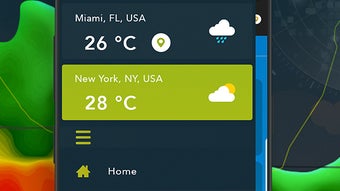
Multiple City Support
Many people have family, business, or travel plans in different cities.
Weather Radar apps allow users to monitor multiple locations simultaneously.
For example:
- Islamabad
- Lahore
- Karachi
- Peshawar
- Quetta
- Dubai
- London
- New York
Switching between cities only takes a tap.
Premium Features
Many Weather Radar applications offer premium subscriptions with additional benefits.
Premium features may include:
- Ad-free experience
- More frequent radar updates
- High-resolution radar maps
- Extended hourly forecasts
- Advanced storm tracking
- Hurricane path prediction
- Lightning strike notifications
- Snow accumulation maps
- Marine weather forecasts
- Aviation weather reports
For users who frequently travel or work outdoors, premium plans can provide extra value.
Battery Consumption
Because weather apps frequently update location and radar data, they may consume additional battery power.
To reduce battery usage:
- Disable background updates if unnecessary.
- Increase the weather refresh interval.
- Turn off GPS when not required.
- Disable unnecessary notifications.
- Close the app after checking the forecast.
These simple steps help extend battery life.
Internet Usage
Weather Radar apps require an internet connection to download live weather data.
However, data usage is generally low.
Approximate usage:
- Light usage: 20–40 MB per month
- Moderate usage: 60–150 MB per month
- Heavy radar monitoring: 200 MB or more
Using Wi-Fi whenever possible can reduce mobile data consumption.
Privacy and Security
Most reputable weather apps prioritize user privacy.
The app generally collects:
- Approximate location
- GPS location (if allowed)
- Device information
- Crash reports
- App usage statistics
To protect your privacy:
- Download apps only from trusted developers.
- Review requested permissions before installing.
- Disable location access when not needed.
- Keep the app updated.
Avoid downloading modified APK files from unknown websites, as they may contain malware or compromise your personal data.
Best Alternatives
If you want to explore other weather applications, several reliable alternatives are available:
- AccuWeather
- The Weather Channel
- Windy
- Weather & Radar
- Today Weather
- Overdrop
- MyRadar
- Weather Underground
- Flowx
- RainViewer
Each offers different features such as advanced radar maps, air quality monitoring, or highly detailed forecasts.
Common Problems and Solutions
Radar Not Updating
Possible solutions:
- Check your internet connection.
- Refresh the radar manually.
- Restart the application.
- Clear the app cache.
- Update to the latest version.
Wrong Location
If the app shows weather for the wrong city:
- Enable GPS.
- Allow location permission.
- Refresh your location.
- Add your city manually.
App Crashes
Try these steps:
- Restart your phone.
- Clear cache.
- Free up storage space.
- Update Android.
- Reinstall the application.
Notifications Not Working
Make sure:
- Notifications are enabled.
- Battery optimization is disabled for the app.
- Internet connection is active.
- Background activity is allowed.
Tips for Better Weather Tracking
To get the most accurate forecasts:
- Enable GPS for precise location.
- Update the app regularly.
- Check hourly forecasts before traveling.
- Monitor radar before outdoor activities.
- Enable severe weather alerts.
- Add frequently visited cities.
- Use Wi-Fi for smoother radar updates.
- Check air quality before exercising outdoors.
- Follow official emergency warnings during severe weather events.
Who Can Benefit Most?
Weather Radar apps are useful for:
- Travelers
- Delivery drivers
- Farmers
- Pilots
- Hikers
- Cyclists
- Campers
- Fishermen
- Students
- Office workers
- Event organizers
- Outdoor photographers
- Construction companies
- Emergency response teams
Advantages
- Real-time weather updates
- Accurate storm tracking
- Live radar maps
- GPS-based forecasts
- Multiple city support
- Severe weather alerts
- Air quality monitoring
- Interactive weather layers
- Easy-to-use interface
- Available for Android devices
Limitations
- Requires an internet connection for live updates
- Some advanced features require a premium subscription
- Continuous GPS usage may increase battery consumption
- Forecast accuracy can vary depending on the data source and local weather conditions
Frequently Asked Questions (FAQ)
Is Weather Radar free?
Most apps provide a free version with optional premium features.
Does it work worldwide?
Yes, many weather radar apps support forecasts for locations around the globe.
Can I use it offline?
Previously downloaded forecast data may remain visible, but live radar requires an internet connection.
Is it safe to use?
Yes, if downloaded from the official Google Play Store or another trusted source.
Can it predict storms accurately?
Radar provides real-time weather observations and short-term forecasts, but no app can guarantee perfect predictions.
Final Verdict
Weather Radar, Live Radar has become one of the most valuable mobile tools for monitoring weather conditions in real time. Whether you’re planning a family trip, managing outdoor work, or simply checking if rain is approaching, these apps provide detailed forecasts, live radar maps, severe weather alerts, and location-based updates that help you make informed decisions.
From tracking thunderstorms and snowfall to monitoring air quality and wind speed, modern weather radar applications offer far more than basic weather forecasts. Their combination of real-time data, interactive maps, GPS support, and emergency notifications makes them an essential companion for millions of Android users.
Conclusion
Weather is constantly changing, and staying informed has never been more important. A reliable Weather Radar, Live Radar app helps users prepare for changing conditions, reduce travel risks, and plan daily activities with confidence. With features such as live radar, hourly forecasts, satellite imagery, storm tracking, weather alerts, and multi-city support, these apps deliver a complete weather monitoring experience.
Whether you’re a student, traveler, farmer, professional driver, or outdoor enthusiast, installing a trusted Weather Radar app can help you stay one step ahead of the weather and make safer, smarter decisions every day.